





Quick Controls
- WASD → Move; Shift → Run. Navigate barriers and platforms.
- Mouse movement and left-click → Aim and shoot. Keep the route visible.
- E → Slow time. Use the limited ability for a defined threat.
High Score Tips
- Choose what E should solve before spending a use.
- Separate a health pickup from a currency detour.
- Buy for the next combat problem rather than the weapon name alone.
Spend a limited slow-time ability, recover with first-aid kits, and buy weapons for the next arena fight.
- Classification
- Slow Motion
About Noob: Time Shooter
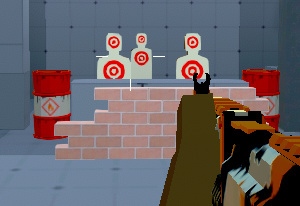
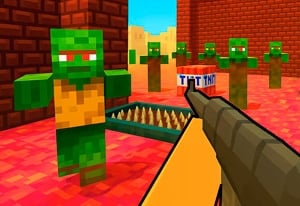
Noob: Time Shooter places Noob in a battlefield with enemy squads, platforms, and barriers. You shoot while moving between threats and resources, collecting first-aid kits for recovery and currency for weapon purchases. Its time mechanic is an activated ability rather than a rule to copy from every movement-linked shooter.
E slows time, but the number of uses is limited. That makes an ordinary exchange different from one that needs the remaining ability. Decide whether it should help clear a crowded approach, create a recovery route, or handle an awkward enemy before activating it. The next weapon purchase is another response to the run: read what range or pressure you struggled with before choosing equipment.
How to Play Noob: Time Shooter
Survive the squads while managing health, limited ability uses, and the resources that support better equipment.
- Read the nearby squad and identify space around the platforms or barriers.
- Aim and shoot while keeping a path to recovery available.
- Press E when a limited slow-time use can resolve a specific dangerous situation.
- Collect reachable resources and compare the next weapon purchase with the difficulty just encountered.
Controls & Timing
An ability use needs a purpose
E is a finite activated option. Choose the enemy or route it will make manageable before spending it.
Pickups answer different needs
A first-aid kit supports current health, while currency supports equipment purchases. Their value depends on both the current need and the danger of the route.
Controls
| Input | Action | When to use |
|---|---|---|
| WASD | Move | Navigate around barriers and platforms. |
| Shift | Run | Cross a planned route. |
| Mouse movement | Aim | Track the selected enemy. |
| Left mouse button | Shoot | Reduce squad pressure. |
| E | Slow time | Spend a limited ability use. |
High Score Tips
- Reserve E for a change you can name. Removing a blocking enemy or reaching recovery gives the activation a measurable purpose. An unplanned use may leave the same problem afterward.
- Approach health through a survivable route. A visible kit is not an immediate benefit if the trip exposes you to an entire squad. Clear the blocking line first when possible.
- Keep platform exits in mind. An elevated position can still leave only one retreat. Check how to leave before the group reaches the access route.
- Compare the weapon with the failure. Difficulty at range suggests a different question from being trapped behind a barrier. Change equipment for the former and the route for the latter where appropriate.
Key Features
- Manual E ability: Slow time is a selected combat action.
- Finite uses: Saving an activation remains part of the encounter plan.
- Health and currency pickups: Recovery and preparation create different detours.
- Weapon purchasing: Earnings support equipment changes.
Frequently Asked Questions
Does stopping automatically slow time?
Use the E slow-time ability rather than assuming a movement-linked rule. Its limited-use nature is central to deciding which exchange needs the extra control.
Should I use E on every squad?
Save a use when the fight is manageable without it. Spend it when you can identify the immediate threat or route that the slower action will help solve.
Do first-aid kits buy equipment?
No. Treat recovery and currency as different resources. A kit addresses the current health state, while earnings support the weapon purchase system.
Why can a new gun fail to fix the same problem?
Being trapped or choosing an exposed pickup route may be a movement decision. Diagnose the cause before expecting another purchase to solve every close call.