

Quick Controls
- WASD → Move. Moving progresses the action.
- Mouse movement → Aim. Choose the next exposed enemy.
- Left-click → Shoot. Commit the prepared line.
High Score Tips
- Plan the first useful movement before holding a direction.
- Include the path to a weapon in the enemy-removal sequence.
- Reassess after a shot instead of carrying an old plan through a changed scene.
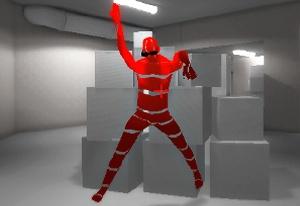
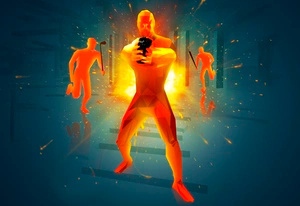
Arrange movement, weapon access, and shots into a short sequence in a Super Hot and Hotline Miami-inspired mashup.
- Classification
- Slow Motion
About Superhot Line Miami
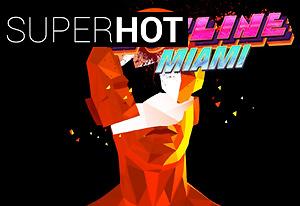
Superhot Line Miami combines a movement-linked time rule with a Hotline Miami-inspired encounter style. The surrounding action progresses when your character moves. You work through stages, eliminate enemies, and obtain weapons, using still moments to inspect what the next movement will expose.
Weapon access becomes part of the sequence. An item may be useful for the next target while sitting beyond an opponent's line, so “get a weapon” and “deal with the enemy” are connected decisions. Choose a short action that changes the encounter in your favor, then read the result before extending it. The mashup premise does not establish all the systems of either commercial inspiration.
How to Play Superhot Line Miami
Clear the stage's enemies by choosing a workable sequence of movement, equipment access, and attacks.
- Locate the first enemies and available weapons in the stage.
- Choose a short movement that produces a useful shot or equipment approach.
- Aim with the mouse and left-click at the exposed enemy.
- Read the changed layout before reaching for another weapon or continuing to the remaining targets.
Controls & Timing
Movement advances the sequence
Holding a direction commits time as well as position. Decide what the next segment should accomplish before allowing several threats to develop.
A weapon can be a route problem
Reaching equipment may expose the character to an enemy first. Plan the access path rather than treating the weapon as an instant inventory choice.
Controls
| Input | Action | When to use |
|---|---|---|
| WASD | Move | Change position and advance the encounter. |
| Mouse movement | Aim | Select the firing direction. |
| Left mouse button | Shoot | Attack an exposed enemy. |
High Score Tips
- Choose the first stopping point. A compact movement is easier to judge than a long approach with several unresolved threats. Extend the route after reading its result.
- Connect equipment to a target. Know what acquiring the weapon enables before crossing to it. An attractive item without a usable follow-up can create unnecessary exposure.
- Revise the sequence at the first failure. If an attempt becomes unmanageable after a specific step, change that commitment rather than only trying to fire faster later.
- Distinguish the game's own controls. Use the confirmed mouse and WASD actions. A familiar inspiration does not provide evidence for an execution or throw key here.
Key Features
- Movement-linked time: Position changes also develop surrounding action.
- Stage encounters: Each layout supplies another enemy-and-equipment arrangement.
- Weapon access decisions: The route to equipment affects target order.
- Mashup identity: Two familiar ideas frame a separate browser experience.
Frequently Asked Questions
Should I solve the whole stage before moving?
Start with the next useful action and a chosen stopping point. After taking it, inspect what changed before deciding on the rest of the sequence.
Why can obtaining a weapon be risky?
The item occupies a position in the stage. Reaching it can advance enemies or expose another line, so plan the route before treating it as the next automatic step.
Do commercial Hotline Miami controls apply?
Not by default. Start with the mouse and WASD controls shown here. Masks, executions, and throwing mechanics from the commercial inspirations are not confirmed for this browser mashup.
What is useful to remember after a failed attempt?
Identify the first movement that exposed an uncontrolled threat. A different stopping point or target order changes the encounter more clearly than repeating the same long rush.